In an era where maximalism has dominated interior design discourse, a quieter revolution is taking place along sun-drenched coastlines from Ibiza to the Cyclades. Mediterranean minimalism—a design philosophy that marries the region's timeless architectural heritage with contemporary restraint—is redefining luxury living for those who understand that true sophistication whispers rather than shouts.
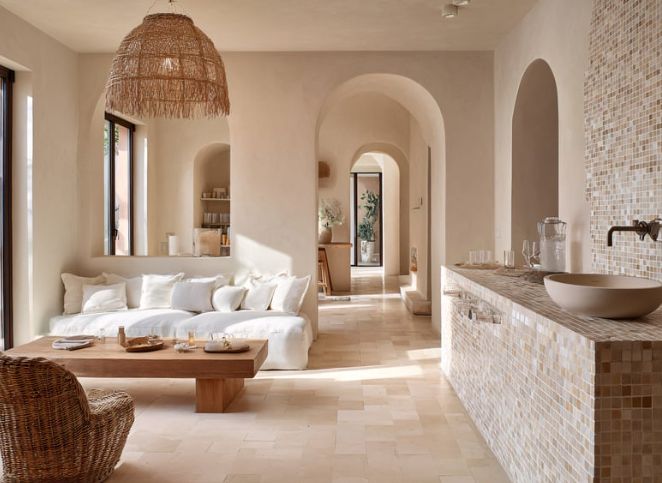
This isn't the stark, cold minimalism that dominated the early 2000s. Rather, it's a warm, tactile approach that honours the Mediterranean's centuries-old building traditions whilst embracing the clarity and calm that modern life demands. Think soft limestone walls that seem to glow in the golden hour, expansive archways that frame azure skies, and furnishings so beautifully proportioned they feel inevitable rather than designed.
The Philosophy of Less
At its heart, Mediterranean minimalism is about editing—not just possessions, but visual noise, unnecessary ornamentation, and anything that distracts from the essential beauty of light, space, and natural materials. The region's traditional architecture has always understood this intuitively. Thick walls keep interiors cool, reducing the need for complex systems. Simple forms withstand the test of time better than trendy embellishments. Natural materials age gracefully rather than requiring replacement.
Today's finest designers are taking these vernacular lessons and refining them to their essence. Rooms become galleries of carefully curated pieces, each selected for its sculptural merit and functional perfection. The result is spaces that feel both timeless and utterly contemporary—a difficult balance that requires exceptional taste and restraint.
"True luxury isn't about accumulation. It's about the freedom that comes from surrounding yourself only with things that genuinely enhance your life." — Elena Martínez, Interior Architect
Material Honesty
One of the defining characteristics of this aesthetic is an almost religious devotion to material authenticity. Limestone, travertine, and terracotta are celebrated for their imperfections—the fossils embedded in stone, the variations in hand-glazed tiles, the natural weathering that tells a story of time and place.
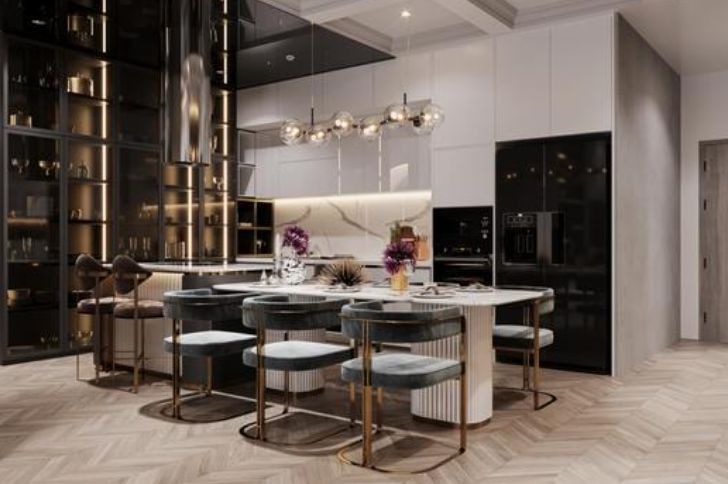
Linen upholstery is left to wrinkle naturally, embracing the fabric's inherent character rather than fighting against it with chemical treatments. Oak beams are lime-washed to lighten their presence whilst allowing the grain to show through. Even metals—brass, bronze, and aged steel—are chosen for their ability to develop a patina that adds depth and warmth over time.
The Colour of Light
Colour palettes in Mediterranean minimalist interiors don't so much deviate from neutral as explore its infinite variations. Whites range from warm cream to cool plaster, each responding differently to the changing light throughout the day. Beiges encompass everything from sand to raw linen to bleached driftwood. Even the occasional accent colour—a terracotta pot, an indigo cushion—is borrowed directly from the landscape.
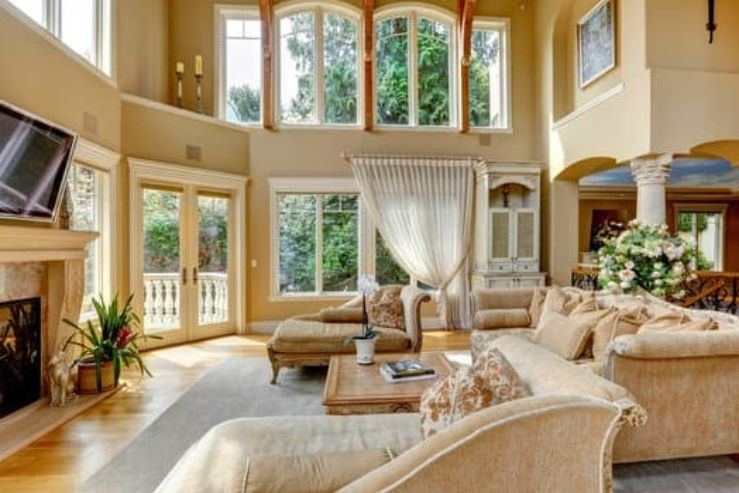
This subtle approach to colour allows light to become the primary decorative element. As the sun arcs across the sky, rooms transform—morning's crisp clarity giving way to afternoon's honeyed glow, then evening's soft blue shadows. Windows become picture frames for ever-changing natural art, whether they overlook olive groves, the sea, or simply a whitewashed courtyard wall.
Furnishing with Intention
Every piece of furniture in a Mediterranean minimalist interior must justify its presence. This doesn't mean rooms are sparse or unwelcoming—quite the opposite. But each element is chosen with such care that it elevates rather than merely fills the space.
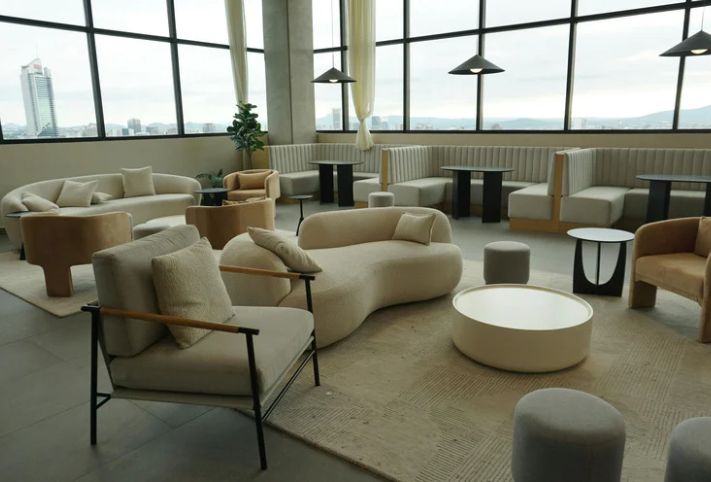
A dining table might be a single slab of ancient olive wood, its natural edge preserved, supported by legs of such perfect proportion they seem to disappear. Seating is deep and comfortable, often upholstered in natural linen or leather that improves with age. Storage is built-in and seamless, allowing walls to remain uncluttered canvases for light and shadow.
"The most beautiful rooms are those where you notice the space first and the furniture second. Each piece should feel like a thoughtful gift to the architecture." — Marco Santini, Furniture Designer
Living with Less, Living Better
Perhaps the greatest luxury of Mediterranean minimalism is the mental clarity it provides. In spaces free from visual chaos, the mind can truly rest. Mornings feel more peaceful, evenings more restorative. There's room—physical and psychological—to breathe, think, and simply be.
This isn't about deprivation. Residents of these homes often report that reducing visual stimulation actually enhances their appreciation for the few carefully chosen objects they live with. A single piece of ceramics becomes a daily source of pleasure when it's not competing for attention with dozens of other decorative items. A beautifully bound book is more likely to be read when it's displayed with intention rather than lost in a crowded shelf.
As we face an increasingly complex world, the appeal of these serene, edited spaces only grows. Mediterranean minimalism offers not an escape from modern life, but a framework for engaging with it more thoughtfully—surrounded by beauty, anchored by quality, and elevated by restraint.